
North Carolina Cotton Farmers Are Using Drones and AI to Replant Only the Missing Plants
North Carolina Cotton Farmers Are Using Drones and AI to Replant Only the Missing Plants
How do you fix a cotton field when only some of the plants come up? North Carolina State University researchers are answering that question with drones, AI, and a self-driving farm robot, and the answer matters to more than cotton growers. It is a plain example of how AI is starting to save real money for real North Carolina businesses, one missing plant at a time.
The problem: gaps in the field
When cotton is planted, some seeds never sprout. Young plants can also die off from cool or wet weather, hail, or other problems. The bare spots left behind are called skips, and they cost growers twice over. A field full of skips yields less cotton, and the fix has always been painful: replant the whole field and start over, or live with the loss.
As project leader Frank Bai, an assistant professor of biological and agricultural engineering at NC State, explained in a November 5 report from NC State News, growers have had no way to fill in just the gaps. Replanting by hand would run up labor costs and risk damaging healthy plants nearby. So most of the time, the gaps just stay gaps.
That is expensive. Seed alone costs more than $100 per acre, according to Guy Collins, a professor in NC State's Department of Crop and Soil Sciences and the university's Extension cotton specialist. Paying to replant acres that are already growing well is money thrown away.
What the researchers built
The team at the Sandhills Research Station in Jackson Springs is testing a smarter answer, and it starts in the air.
A drone sits in a weatherproof docking station at the research station. A researcher in Raleigh, about an hour and a half away, launches it from a computer. The drone flies itself over the cotton field, photographs every row, and AI models analyze the images to spot individual plants and find skips longer than three feet.
Then comes the ground half of the system. The team is building a self-driving farm robot that takes the drone's map, drives itself down the crop rows, and drops new seed only into the empty gaps. A satellite location network accurate to within about an inch tells the robot exactly where each missing plant should go.
The project is funded by Cotton Inc. and grew out of the university's AIRS project, short for Automating Intelligence from Research Stations, which is building better digital tools for the state's 18 agricultural research stations. The team demonstrated the system at the Sandhills station in late September.
What it means for a local business
You do not need a cotton field to learn from this. The pattern is showing up across North Carolina's small businesses: use a camera or a sensor to find the actual problem, let software point at exactly what needs fixing, and spend money only where it helps.
A contractor could use the same idea to inspect a roof or a job site instead of walking every square foot. Our post on how AI is creating jobs at North Carolina small businesses has more on where owners are already putting these tools to work. The system is still being tested, not sold in stores, so the growers who benefit first will be the ones who already know their numbers: what a replant costs, what a skipped row costs, and what a new tool has to save to be worth it.
What to do next
If you farm in North Carolina, two things are worth doing this month. First, talk to your county Extension agent about what precision tools already fit your operation. NC State Extension agents work with growers on exactly these questions, and the research coming out of the Sandhills station is built to reach working farms, not just laboratories.
Second, look at the NC AgVentures Farm Grant Program. It is an NC State Extension program, funded by the NC Tobacco Trust Fund Commission, that gives grants of up to $10,000 to family farms and local nonprofits for projects that increase farm profits, including new technology. Applications for this cycle opened October 15 and close December 15, 2026, at 6 p.m., or sooner if 200 applications come in first. The program asks applicants to talk with their Extension agent by December 1. Forty-six counties are eligible; check the official program page at NC State Extension for the full list and application details.
And if you run any kind of small business and want help figuring out where a tool like this could actually save you money, that is what we do. We build practical websites, automation, and custom software for North Carolina shops, contractors, and farms, and we start with your numbers, not a sales pitch. Start here: https://www.mcmgs.com/contact. We reply within 24 hours.
One transparent rate, quoted in writing before any work starts: no surprises, no open-ended billing. You pay for the work once and own it outright: no subscriptions, no licenses, no monthly fees to us.
Want the North Carolina AI and tech news that affects your business, in plain English, twice a week? Sign up for the NC Business Technology Briefing at https://www.mcmgs.com/blog.
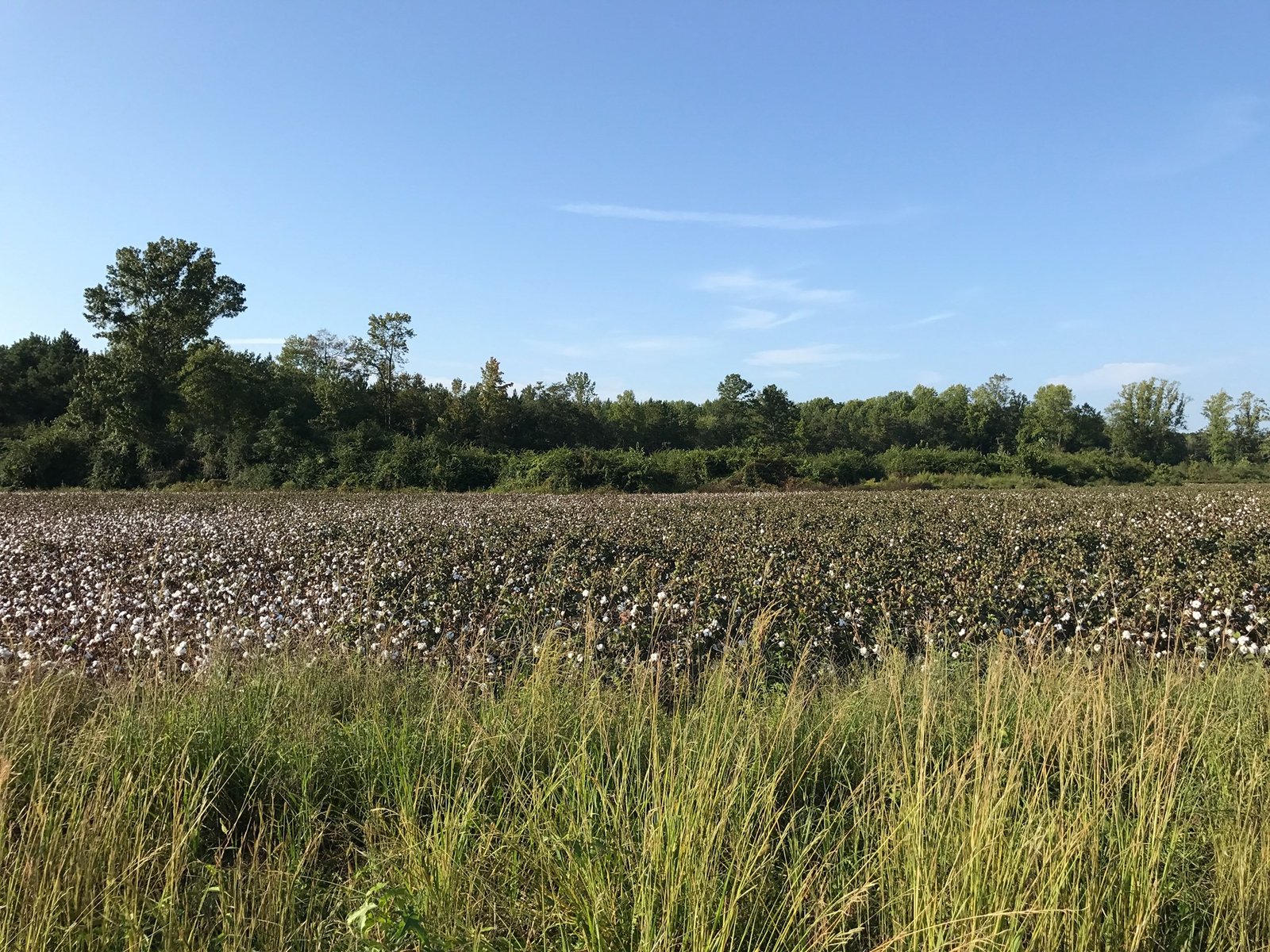
Cover photo: Cotton field at Mayo's Crossroads, Edgecombe County. Photo by Indy beetle, CC0, via Wikimedia Commons.
Source: NC State News, "On the Ground and In the Air," published November 5, 2026: https://news.ncsu.edu/2026/11/on-the-ground-and-in-the-air/
North Carolina AI & tech news, translated into plain English.
At most twice a week, get the North Carolina technology shifts, grants, and practical automation guides that actually affect local businesses: what happened, what it means for you, and what to watch next. Stop with one-click unsubscribe or change your topics anytime.
Need Help Modernizing Your Operations?
Take our 2-minute interactive needs assessment and get a custom step-by-step action plan from McMillan General Services within 24 hours.